
Classical Graduates with Passion for Film
Film as Well as Books Deserve Assessment

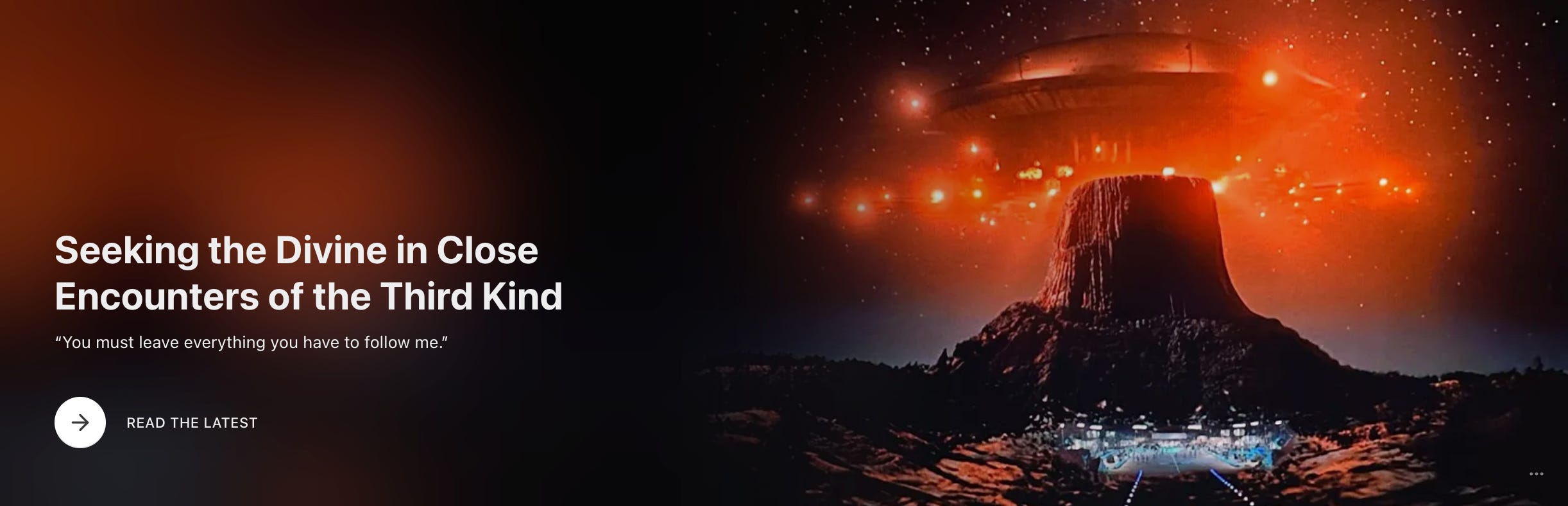
I think books are more important than film; with sufficient energy and a pledge to use my time well, I choose a good book. But I don’t always have sufficient energy, and there is more than one way to use time well. In the last three months, did you talk to a friend about a good book you were reading? Didn’t you also talk about a film? If a good book has changed your thinking, isn’t there a powerful film that has done the same?
Reading is diminishing in our culture, viewing video and film continues to climb and eclipse our former more textual culture. But these are general trends, and there are many exceptions to the proliferation of video and cinematic slop, just as there are signs that reading good books is increasing in various pockets of our culture (like the renewal of classical education). In the midst of so much mediocre and banal film, there are still some remarkable films being made. We read lots of good books in the classical curriculum; should we not also help our students to assess film?
In the midst of our carnival of cinema, there are some good things emerging. Some good books are still being written and some good films are being produced if you know where to look.
There is also a subculture of thoughtful film study and criticism. One such node in this subculture is the film program at Biola University—the Snyder School of Cinema and Media Arts. Biola is just 25 miles from Hollywood; film studies at Biola has grown significantly in recent years, becoming the 3rd largest school within the university.
Two graduates of this program and of the Torrey Honors Program, now lead a robust Substack platform—filmfisher@substack.com— that features film criticism informed by the classical tradition and the Christian faith. This blend to some may seem eccentric but for those who esteem the classical and Christian tradition it is simply a way of assessing film that reflects the givenness and reality of human nature and the cosmos in which we dwell or are lost.
FilmFisher features not just the platform leaders (Timothy House, Editor and Timothy Lawrence, Senior Writer) but many other young, emerging film critics with good eyes and a talent for writing. For me, this is inspiring.
Some 15 years ago, I and few others (hat tip to Josh Gibbs) thought there should be a forum for this kind of thoughtful film criticism. It is great to see it growing and more writers coming forth. Film, too, should be studied in a classical school. These young writers can help us begin.
If your interest is piqued, visit filmfisher and subscribe to their Substack to enjoy thoughtful film reviews that can be used in a classical curriculum as well as for your own pleasure.
Here is recent clip of Timothy House and Timothy Lawrence being interviewed by a Boila film professor.
Thank for reading this post. I hope you can find a great film to watch this weekend.
Absolutely. As a bookish person I think quite a bit about this passage from Ray Bradbury's FARENHEIT 451:
"You're a hopeless romantic," said Faber. "It would be funny if it were not serious. It's not books you need, it's some of the things that once were in books. The same things could be in the 'parlour families' today. The same infinite detail and awareness could be projected through the radios and televisors, but are not. No, no, it's not books at all you're looking for! Take it where you can find it, in old phonograph records, old motion pictures, and in old friends; look for it in nature and look for it in yourself.
"Books were only one type of receptacle where we stored a lot of things we were afraid we might forget. There is nothing magical in them at all. The magic is only in what books say, how they stitched the patches of the universe together into one garment for us."